
- Business
Free up cash and outsource your vehicle admin!
Our Business leasing solutions are specifically tailored for those looking for between 1 and 30 vehicles.
When you lease with FleetPartners, our Business team will work with you to source and manage your vehicles, without you having to purchase them with your own cash or dealing with ongoing and time-consuming vehicle administration.
Business lease calculator Vehicle specials Customer stories Fully Maintained Operating Lease Contact us
- Enterprise
Experience enterprise fleet leasing like no other
Our Enterprise solutions are geared to manage your fleet from 30 to over 1,000 vehicles.
We provide strategic expertise and operational know-how to maximise your fleet utilisation and not only will we support your fleet team, our solutions make it seamless for business managers, and drivers too!
Fully Maintained Operating Lease Fleet services Sustainable fleet solutions


- Business Business
- Enterprise
Enterprise

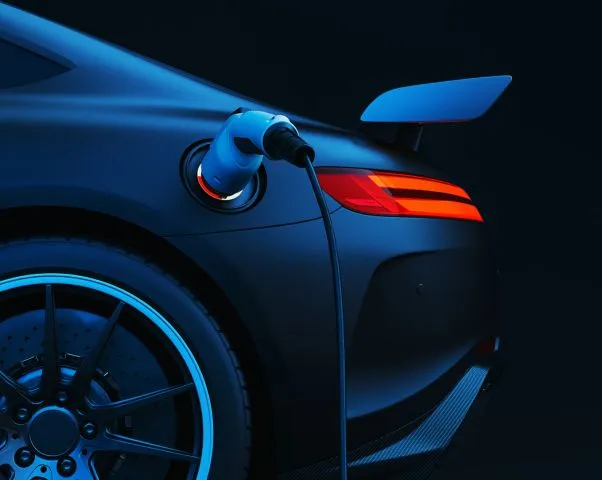
FleetPartners gives New Zealand businesses access to a wide range of electric vehicles on lease, from a single car to a full fleet solution. Whether you're a small business owner looking for one vehicle or a fleet manager overseeing dozens, you'll benefit from lower running costs than petrol equivalents, no large upfront commitment, and expert support every step of the way.
~$3,350
Estimated annual fuel savings per vehicle (EVDB/AA NZ)
40+
Electric and hybrid brands available to lease
45+
Years helping New Zealand Businesses manage their vehicles
THE NUMBERS
Fuel Costs are vulnerable. Electric vehicles cost significantly less to run.
Electric vehicle drivers in New Zealand spend significantly less on energy than petrol drivers. Based on average driving distances, the gap is large enough to make a meaningful difference to business budgets. Exact savings will vary depending on driving patterns and your energy tariff - use the EECA vehicle comparison calculator to model your own numbers.
Figures based on 14,000 km/year at 9L/100km at $3.20/L for petrol, and home EV charging at 30 cents/kWh. Maintenance and servicing costs based on EVDB/AA NZ published averages. Source: EVDB Petrol vs EV Running Cost Calculator in partnership with AA New Zealand; IRD kilometre rates 2025–26. Petrol price confirmed at time of publication. Individual results will vary.

Annual fuel savings: ~$3,350 per vehicle
A petrol vehicle (9L/100km) costs around $4,032 per year in fuel at the current national average of $3.20/L. An equivalent Battery Electric Vehicle (BEV) on the same 14,000 km costs approximately $680 in electricity at average NZ residential rates of 30 cents/kWh.
WHY LEASE
Why Leasing an EV makes financial sense in New Zealand
Leasing an EV gives you access to the latest electric vehicle models without the upfront cost of purchasing outright, with monthly payments that are simple to budget for. For businesses looking at the numbers, an operating lease also keeps assets off the balance sheet.

No large upfront costs
Access new EVs from day one without a large upfront cost. Preserve your capital for growth.

Access to the latest models
Drive the latest EV technology without worrying about what it's worth in three years. In a fast-moving market, depreciation and resale risk sit with FleetPartners — not on your balance sheet

Fixed monthly payments
Your monthly lease payment is fixed for the term, and because EVs run on electricity rather than petrol, you're sheltered from fuel price swings too. Both costs stay predictable, which makes budgeting simpler.

Servicing and maintenance
With our national buying power and supplier network, discounts on scheduled servicing and maintenance are built right into your monthly lease rate.

Upgrade your vehicle
At the end of your lease term simply return your vehicle and upgrade to a new EV with the latest technology.
UNDERSTANDING YOUR OPTIONS
BEV, PHEV or hybrid: which type of electric vehicle suits you?
Not all electric vehicles work the same way. The right choice depends on your driving patterns, access to charging and total cost priorities. Here's how the main categories compare.
Feature
BEV - Battery Electric Vehicle
PHEV - Plug-in Hybrid
Hybrid (non-plug-in)
How it works
Runs entirely on electricity stored in a rechargeable battery
Electric motor plus a petrol engine; battery charged via plug or regenerative braking
Petrol engine assisted by electric motor; battery charged only by driving
Charging required
Yes — home, workplace or public charging
Yes — plug-in charging required to receive full EV benefit.
No plug-in charging needed
Typical electric-only range
300-500km+
40-80km
A few km, low speed only
Best suited for
Businesses with predictable routes and access to home or workplace charging
Businesses operating a mix of short and long trips, including rural or regional routes where charging infrastructure is limited
Businesses with high-km drivers or areas with limited charging access
FleetPartners can advise on which vehicle type best fits your business or individual needs. Options across all three categories are available through the FleetPartners. Contact our team to discuss the right fit for your situation.
AVAILABLE MODELS
Electric vehicles available to lease through FleetPartners
FleetPartners offers a range of electric and plug-in hybrid vehicles from leading brands across New Zealand. Below are just some of the vehicles you can lease through FleetPartners.
BEV
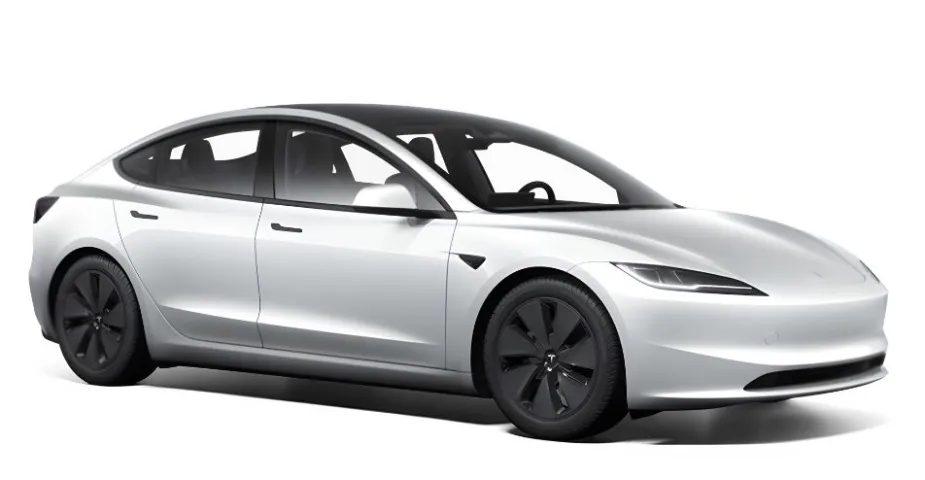
Tesla Model 3
A fully electric sedan available in rear-wheel and all-wheel drive, with a range of up to 750 km on a full charge — enough to cover Auckland to Wellington and back without stopping. One of the most popular electric cars in New Zealand, well suited to daily commuting and regular intercity runs, with a 5-star ANCAP safety rating and access to Tesla's nationwide Supercharger network.
BEV
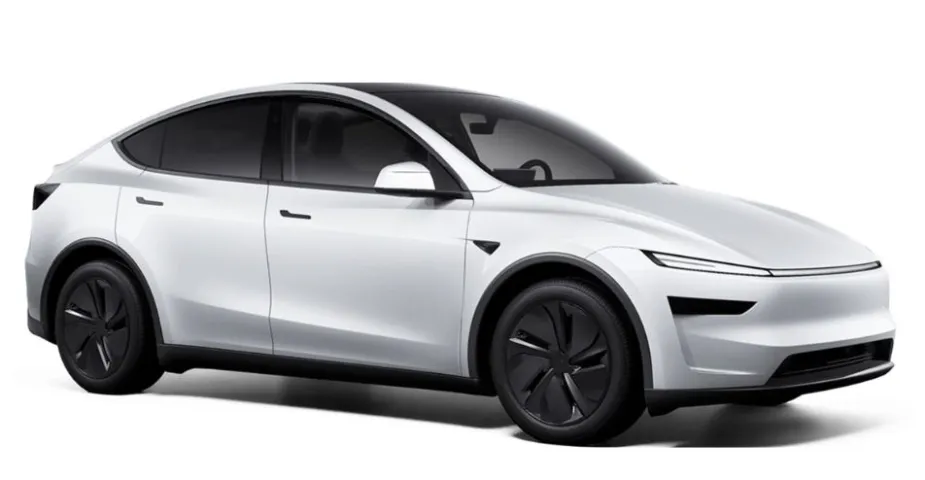
Tesla Model Y
A fully electric SUV with five seats, up to 2,138 litres of boot space with the rear seats folded, and a range of up to 600 km on a full charge (all-wheel drive). A practical all-rounder for businesses that need a bit more space, with a 5-star ANCAP safety rating and access to Tesla's Supercharger network across New Zealand.
BEV
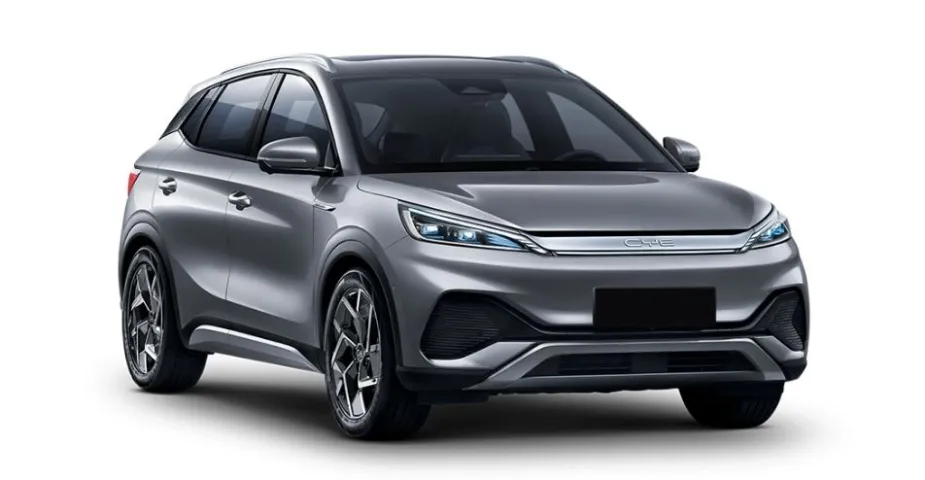
BYD Atto 3
A fully electric compact SUV with a range of up to 420 km on a full charge and a 5-star ANCAP safety rating. Comfortable for five passengers with practical boot space, making it a popular choice for New Zealand businesses looking for a reliable, low-cost electric vehicle for everyday use.
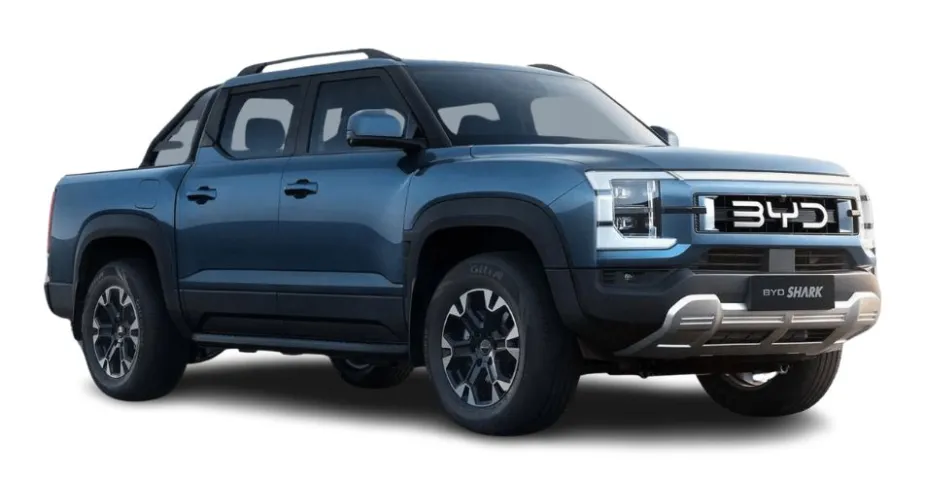
PHEV
BYD Shark 6
A plug-in hybrid double-cab ute — not fully electric — combining electric motors with a petrol engine for a total range of up to 800 km. It runs on electricity for shorter urban trips, then switches to petrol when needed, making it well suited to businesses that need ute capability day-to-day but want to cut fuel costs where possible.
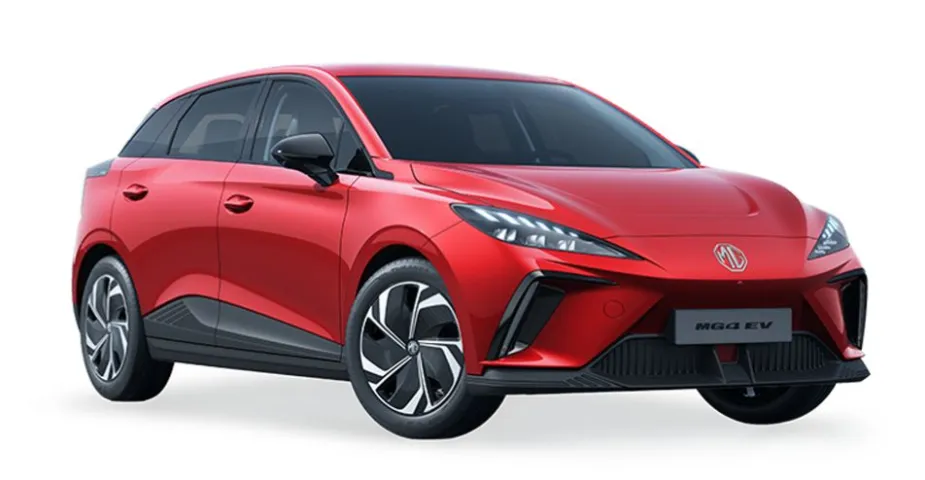
BEV
MG4
A fully electric five-door hatchback with a range of up to 452 km on a full charge and a 5-star ANCAP safety rating. Compact enough for city driving, with rear-wheel drive and fast-charging capability — a well-priced electric option for New Zealand businesses looking to keep running costs down.
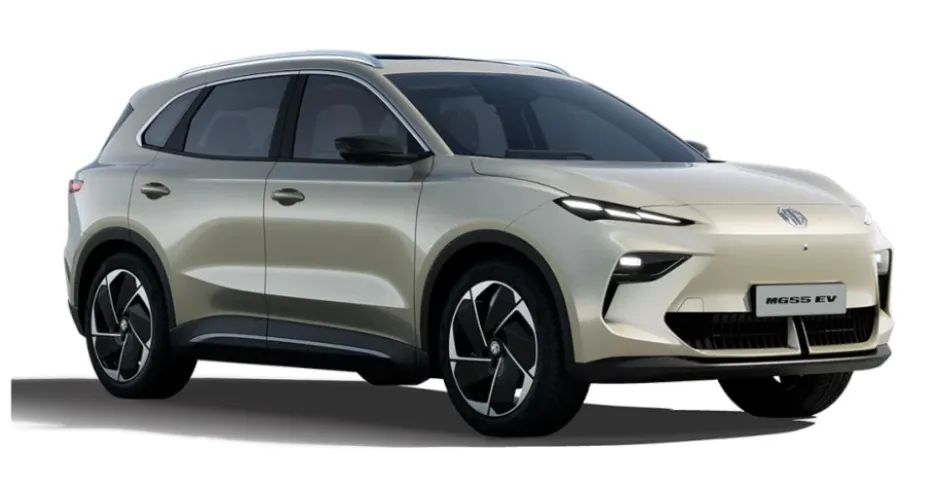
BEV
MG S5
A fully electric compact SUV with a range of up to 425 km on a full charge, five seats and a 5-star ANCAP safety rating. Available in two battery sizes to suit different budgets, with rear-wheel drive and competitive pricing — a straightforward electric SUV option for New Zealand businesses.
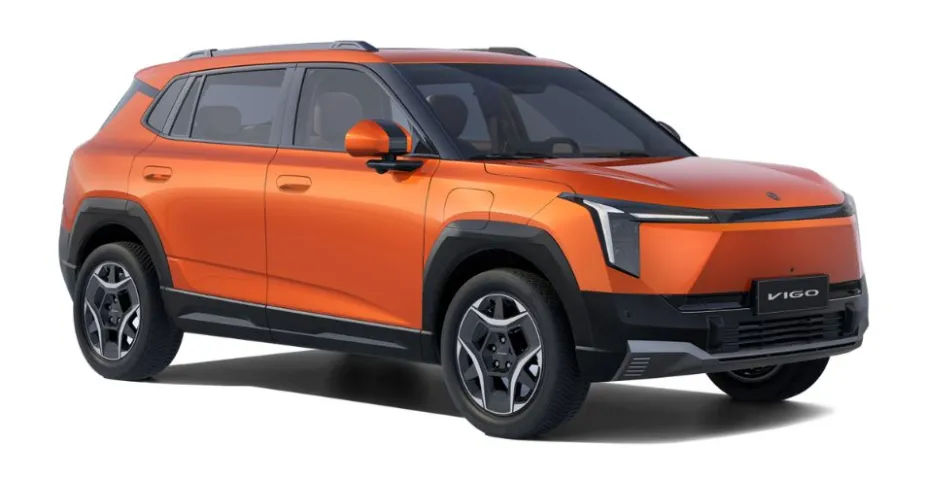
BEV
Dongfeng Vigo
A fully electric compact SUV with a range of up to 340 km on a full charge and fast-charging capability — the battery goes from near-empty to 80% in around 18 minutes. It can also power tools and devices directly from the vehicle, making it a practical option for businesses that work on the go.
BEV
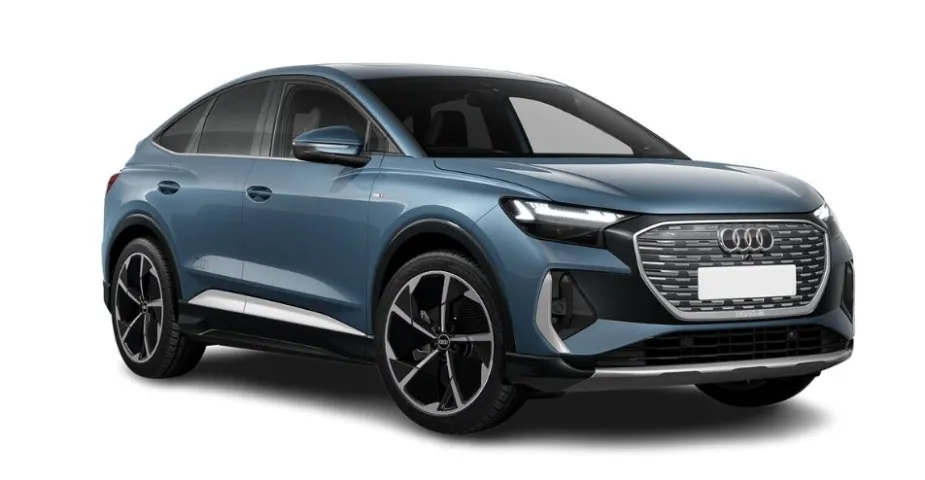
Audi Q4 e-tron
A fully electric premium SUV with a range of up to 550 km on a full charge, five seats and 520 litres of boot space — expanding to 1,490 litres with the rear seats folded. Available in rear-wheel and all-wheel drive, it's a strong choice for businesses where vehicle presentation and day-to-day practicality both matter.
BEV & PHEV
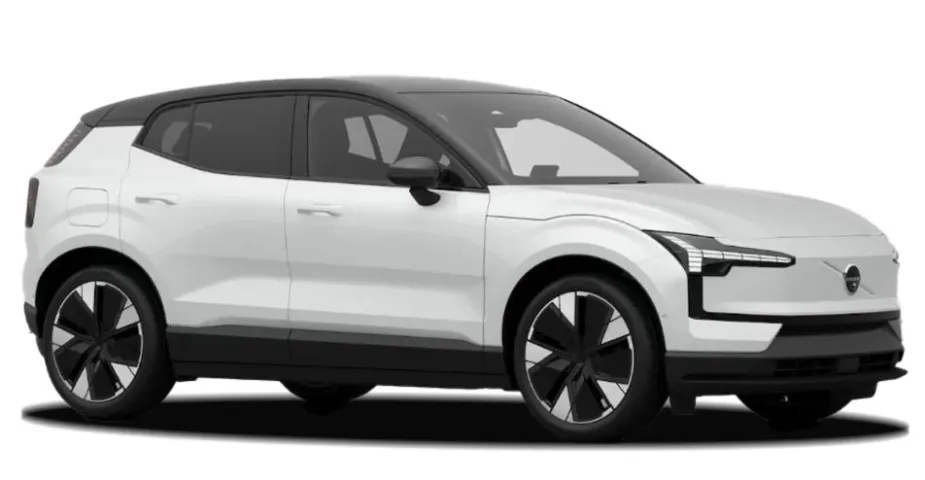
Volvo EX30 & XC60
The EX30 is a fully electric compact SUV with a range of up to 462 km on a full charge and Volvo's well-regarded safety credentials in a smaller, city-friendly package. The XC60 is a plug-in hybrid that runs on electricity for shorter trips — up to 67 km — then switches to petrol, making it a practical option for businesses that regularly cover longer distances.
Availability is subject to current stock. Contact FleetPartners for up-to-date model availability and pricing.
FOR FLEET MANAGERS
Managing the transition to an electric fleet in New Zealand
Switching your vehicles to electric involves more than just picking a car. It takes planning across charging, driver behaviour, vehicle tracking and day-to-day management. FleetPartners works alongside New Zealand businesses as a transition partner, not just a lease provider, to make the whole process straightforward and achievable.
Understanding the business case for switching to electric is the starting point. From there, the transition typically covers four key areas:
Charging infrastructure
The best place to charge is where your vehicles are garaged, whether that's a depot or an employee's home, so drivers start each day with a full battery. FleetPartners works through common home charging challenges like off-street parking access and cost reimbursement, and advises on workplace charging as an added option. New Zealand's growing public charging network provides reliable backup, with our fuel card style solution simplifying access and billing across your fleet.
Fleet management systems
Our fleet emissions simulation tool uses real data from each vehicle in your fleet to model emissions under different electrification scenarios. This helps validate existing sustainability targets or identify new opportunities to reduce your footprint. As vehicles go electric, smart charger data and public charging records connect with your existing fuel card systems, giving you one clear view of fleet performance, energy use and emissions.
Driver transition
Bringing your people along is critical to a successful fleet switch. Our practical in-person training includes hands-on EV test drives with expert support to build driver confidence and enthusiasm. We also provide FAQ resources that address common concerns and run workshops to help align your fleet, people and culture, finance and legal teams when updating vehicle policies.
Phased transition
Most businesses don't switch overnight. A phased approach lets you select the right vehicle type for each role in your fleet, whether that's a hybrid, plug-in hybrid or full battery EV, based on how and where it's used. Starting with the vehicles whose roles are best suited to electrification builds confidence across your business and reduces the complexity of transitioning everything at once.
See how other New Zealand businesses have made the switch in our customer stories. For businesses working toward ESG reporting requirements, fleet electrification is increasingly a core part of the strategy.
For a detailed guide to planning a full or partial fleet switch, visit our strategy to implementation page.
RUNNING COST COMPARISON
What does an electric vehicle cost to run compared to petrol?
The true cost of a vehicle extends beyond the purchase price or monthly lease rate. Energy, servicing and emissions all add up differently depending on whether you're driving petrol or electric. Based on the average New Zealand vehicle travelling 14,000 km per year, the numbers tell a pretty clear story.
Cost category
Petrol vehicle (NZ average)
Electric vehicle (NZ average)
Annual fuel / energy cost
~$4,032 (petrol at 9L/100km at $3.20/L)
~$680 (electricity at 30 cents/kWh, home charging)
Road user charges (RUCs)
Paid for via fuel tax
~$1,064
CO2 emissions
~214 g/km
Zero tailpipe emissions
Figures based on 14,000 km/year at 9L/100km at $3.20/L for petrol, and home EV charging at 30 cents/kWh. Maintenance and servicing costs and Road User Charges based on EVDB/AA NZ published averages. CO2 emissions figure of ~214 g/km represents the standardised default factor for petrol light passenger vehicles used in New Zealand national greenhouse gas accounting. Source: EVDB Petrol vs EV Running Cost Calculator in partnership with AA New Zealand; IRD kilometre rates 2025–26; Ministry for the Environment Measuring Emissions Guide — Travel emissions factors. Petrol price confirmed at time of publication. Individual results will vary.
$34K
est. annual saving
(10 vehicle fleet)
Fleet of 10 vehicles? The savings add up fast.
Switching 10 vehicles from petrol to EV represents a potential annual saving of ~$34,000 in fuel costs alone.
FAQS
Common questions about EV Leasing in New Zealand
Answers to the questions we hear most often from individuals and fleet managers across New Zealand.
Is leasing an EV a good idea in New Zealand?
Yes, and for most New Zealand businesses the question worth asking first is: do you actually need to own the vehicle, or do you just need the use of it? You wouldn't pay three years of staff salaries upfront — the same logic applies to vehicles. Leasing frees up capital for the things that actually grow your business.
A lease bundles your vehicle cost, servicing and maintenance into a single monthly payment, so there are no large upfront costs and no surprise bills. You also avoid the resale risk that comes with owning — with around 40+ EV brands currently for sale in New Zealand, it's a fair question how many will still be supported in three or four years. With a lease, that risk sits with FleetPartners, not you.
There's also the management side. Looking after a vehicle or a pool of vehicles is effectively a part-time job that usually lands on someone who already has one. Are the vehicles on the right tyres? Are vans or utes within their weight limits? Are they compliant? Leasing through FleetPartners takes that off your plate, reduces your health and safety exposure, and returns your staff to the roles that actually move your business forward.
What is the difference between a BEV and a PHEV?
A Battery Electric Vehicle (BEV) runs entirely on electricity stored in a rechargeable battery pack — it has no petrol engine. A Plug-in Hybrid Electric Vehicle (PHEV) combines an electric motor with a petrol engine; you can charge it via a plug to drive on electricity for shorter trips, but the petrol engine takes over on longer journeys or when the battery is depleted. BEVs deliver zero tailpipe emissions and the lowest running costs; PHEVs offer greater range flexibility but still use petrol beyond the electric range. See our BEV vs PHEV comparison above for a full breakdown.
Can I lease a Tesla Model 3 through FleetPartners NZ?
Yes. FleetPartners offers the Tesla Model 3 and other Tesla models on lease in New Zealand. The Model 3 is one of the most popular fleet EVs in the country, well suited to urban commuting and intercity driving. Availability and pricing are subject to current stock. Contact FleetPartners directly for up-to-date information and to get a quote.
Can I lease a BYD Shark in New Zealand?
Yes. The BYD Shark is available through FleetPartners. It's important to note that the BYD Shark is a Plug-in Hybrid Electric Vehicle (PHEV) ute — not a fully electric vehicle. It combines an electric motor with a petrol engine, giving you ute capability alongside an electric driving mode for urban routes. It's well suited to operators who need working vehicle performance with reduced running costs in the city. Contact FleetPartners for current availability and to get a quote.
How does EV charging work for a business fleet?
Business fleets typically use a combination of workplace charging, home charging (for drivers who park at home), and public charging. The right setup depends on your fleet type, driving patterns and infrastructure. FleetPartners can help businesses plan their charging setup as part of the fleet transition process — this is a key part of how we support customers beyond just the lease itself.
What EV brands can I lease through FleetPartners?
FleetPartners can lease any new electric vehicle available in New Zealand — including Tesla, BYD, MG, Audi, Volvo, Dongfeng and more. If it's available new in New Zealand, we can more than likely get it on a lease for you. Contact us for current availability and pricing on the model you have in mind.
Are there EV lease options for vans or utes?
es, and there are some strong options available right now. For utes, both the BYD Shark 6 and Ford Ranger are available as plug-in hybrids. For vans, the Ford e-Transit and LDV eDeliver 9 are fully electric options available in New Zealand today. As the commercial EV market grows, we add new models as they arrive — contact us to find out what's the right fit for your fleet
What are the tax and FBT considerations when leasing an EV in NZ?
Fringe Benefit Tax (FBT) treatment of electric vehicles in New Zealand has specific rules that vary depending on how the vehicle is used — whether it's available for private use, the type of vehicle, and your business structure. We recommend speaking with a tax adviser for guidance specific to your situation. FleetPartners can provide general information as part of a fleet consultation to help you understand the variables involved. We don't provide specific tax advice, but our team can point you toward the right questions to ask your accountant.
Are there higher insurance costs for EVs?
In the ‘early’ stages of EVs, EV insurance premiums were higher to account for a new product and uncertainty of repairs. Since EVs are now well understood, insurance premiums are broadly in line with expectations.
The higher cost of insurance is not directly linked to the fact the vehicle is an EV, but more due to the value of the vehicle. EV’s tend to have a higher purchase price than ICE (Internal Combustion Engine) vehicles and as such this is reflected in your insurance and premiums.
There are concerns about charging EV’s at home and it potentially causing a house fire. Is this concern real or a myth?
EVs are very much in the limelight as a modern technology. So naturally when there is an EV fire it often gathers far more media attention than of a more common petrol vehicle fire. Another combustion car catching alight is less likely to receive clicks and discussion. Statistically even when the data is normalised, EV’s catch fire far less than combustion vehicles, and when they do its often the result of a collision or saltwater ingress into the battery pack as the main causes. When they do catch fire, they experience what is known as a ‘thermal runaway.’ This is when some cells in the battery split and short circuit causing a thermal heat up. The battery does not explode like combustion fuels but will smoulder unless water is applied to cool the area of the battery pack down. EV fires in homes are extremely rare. Fires are far more likely to occur from E-scooters or vaping devices with less battery protection.
HELPFUL GUIDES
Helpful guides for your EV journey
Whether you're at the beginning of your EV journey or ready to start your fleet transition, these resources will help you go further.

Strategy to implementation
A step-by-step guide to planning and executing your fleet's transition to electric vehicles.

Benefits to switch
The full business case for transitioning your fleet to electric. Financial, operational, and beyond.


Guide to ESG requirements
Understand how fleet electrification supports your ESG reporting obligations and climate commitments.
GET STARTED
Ready to make the switch to electric?
FleetPartners helps New Zealand businesses access the right electric vehicle on the right lease terms. Get in touch with our team today.